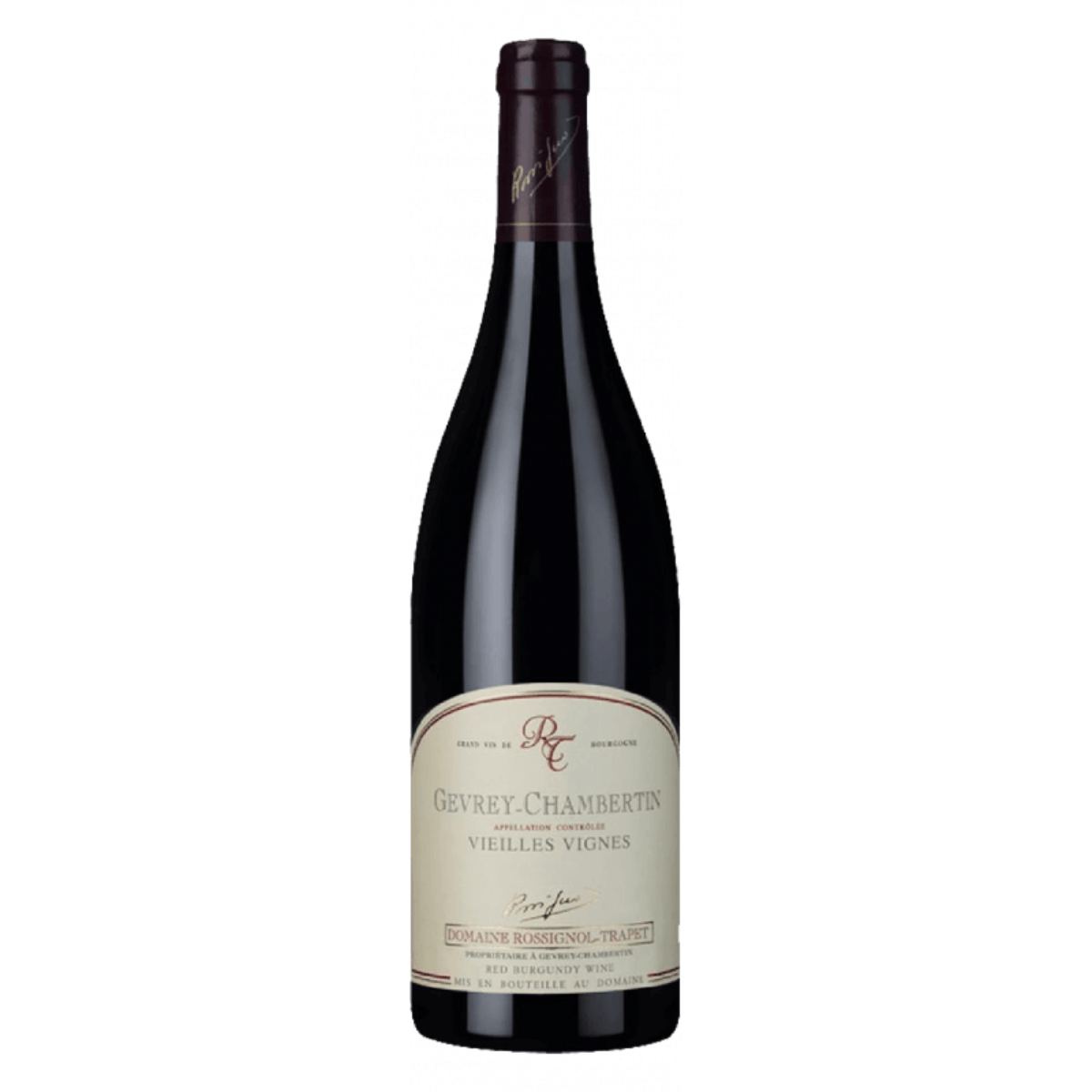
Gevrey Chambertin Domaine Rossignol Trapet
£70.00
13% | 750ml
LOW STOCK
Only 6 left in stock
Delicate aromas of pure red berry fruits alongside earthy and mineral notes. Smooth and complex on the palate this is an elegant Burgundy style. The Chambertin vineyard is located south of the village of Gevrey-Chambertin and faces due east. It lies directly below the woods that crown the hillside and descends to the Route des Grands Crus.
It is located in the upper part of the Gevrey-Chambertin hillside; it is a little colder than Clos de Bèze, closer to Combe Grisard in its southern part which brings it more freshness.
Our estate is fortunate to own plots covering the entire slope (from the Route des Grands Crus to the woods). Our CHAMBERTIN is thus located in the heart of the Chambertin terroir and ideally reflects the typicity of the terroir.
The vines, with an average age of 55 years (a quarter of the plot was planted in 1919), are planted exclusively with Pinot Noir, at a planting density of 12,500 vines per hectare.
Structured, powerful, and with remarkable aging potential, Chambertin is ranked among the world’s greatest wines.
The Burgundians arrived in the 5th century and one of them, Bertin (Berht-in, that is to say the son of Berht, the Brilliant) owned a field of grain near the Clos de Bèze.
Legend has it that, following the example of his neighbors, the monks of the Merovingian abbey of Bèze, Bertin planted vines in his field, using the same grape variety and adopting their winemaking methods. The resulting wines being of exceptional quality, the winemakers thereafter referred to the newly created vineyard simply as its owner: “Les Champs de Bertin” (Bertin’s Fields), and later, Chambertin. The powerful abbeys of Langres and Cluny, along with the local lords, subsequently divided the ownership of this noble terroir.
This Grand Cru of Gevrey-Chambertin was called in 1219, in the Titles of the Cathedral Chapter and former abbeys of Saint-Etienne of Dijon and of Prâlon united: Campo Bertuyn “the field of Bertuyn”.
In a document from 1584, the canons of the Saint-Mammès cathedral of Langres speak of their “vines cut in this territory (Gevrey-Chambertin) at the place called Champ Bretin” and “of another piece of vines cut in the said climate of Champt Berthin”.
The terms “lieudict” and “climat” are both used to designate a plot of vines in this field! This is the oldest known mention to date of the term Climat in Burgundy and it applies to what would later become a Grand Cru Climat.
- Bottle Size
- Vintage
- ABV
- Certifications
- Colour
- Country
- Dry / Sweet
- Grapes
- Producer
- Region
- Product Style
- Wine Style
THE REGION
Burgundy is one of France’s main wine-producing areas. It is well known for both its red and white wines, mostly made from Pinot noir and Chardonnay grapes, respectively, although other grape varieties can be found, including Gamay, Aligote, Pinot blanc, and Sauvignon blanc. The region is divided into the Côte-d’Or, where the most expensive and prized Burgundies are found, and Beaujolais, Chablis, the Côte Chalonnaise and Mâcon. The reputation and quality of the top wines, together with the fact that they are often produced in small quantities, has led to high demand and high prices, with some Burgundies ranking among the most expensive wines in the world.[14]
ALTERNATIVELY...
-
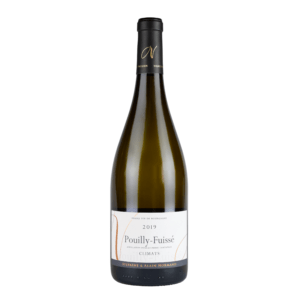
![Domaine Normand Pouilly Fuisse Climats]()
Domaine Normand Pouilly Fuisse Climats
Burgundy, France
Brilliant golden color. Fine nose associating white fruits and citrus fruits, flowers and fresh butter, in which light woody notes are mixed. Delicate, powerful mouth with clear and pre...
Sold out online
£35.00 View
Contact our shop -
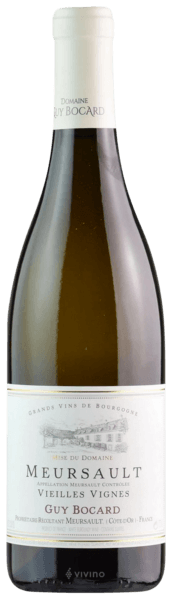
![Guy Bocard Mersault Viellies Vignes]()
Guy Bocard Mersault Viellies Vignes
Burgundy, France
Guy Bocard Mersault Viellies Vignes is light golden in colour with a beautiful honeyed nose. You’ll find a hint of salinity in the mouth accompanied by rich notes of toast […]
Sold out online
£73.99 View
Contact our shop -
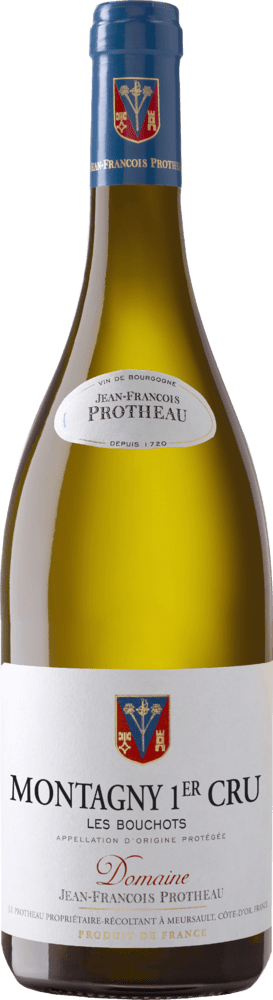
![Les Bouchots Montagny 1er Cru Domaine Jean Francois Protheau]()
Les Bouchots Montagny 1er Cru Domaine Jean Francois Protheau
Burgundy, France
Color Light yellow dress with green highlights. Nose Floral, lively and mineral nose. This wine is typical of the Côte Chalonnaise. Palace Mouth of a beautiful amplitude with notes of ...
£37.00 View -
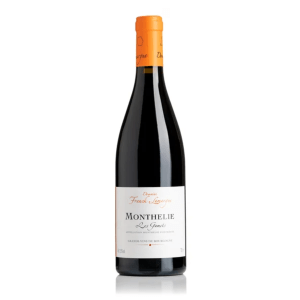
![Les Gamets Monthelie Domaine Franck Lamargue]()
Les Gamets Monthelie Domaine Franck Lamargue
Burgundy, France
Les Gamets Monthelie Domaine Franck Lamargue is velvety and elegant, it accompanies your meals with subtlety and refinement. 100% Pinot Noir from Burgundy.
£31.00 View